
In May, I had the incredible opportunity to travel to Kyoto with my daughter, @rachel.leigh.meyers—and it was truly magical. We stayed at the Garrya Nijo Castle, a peaceful and beautifully designed hotel perfectly situated next to one of the city’s most iconic landmarks.
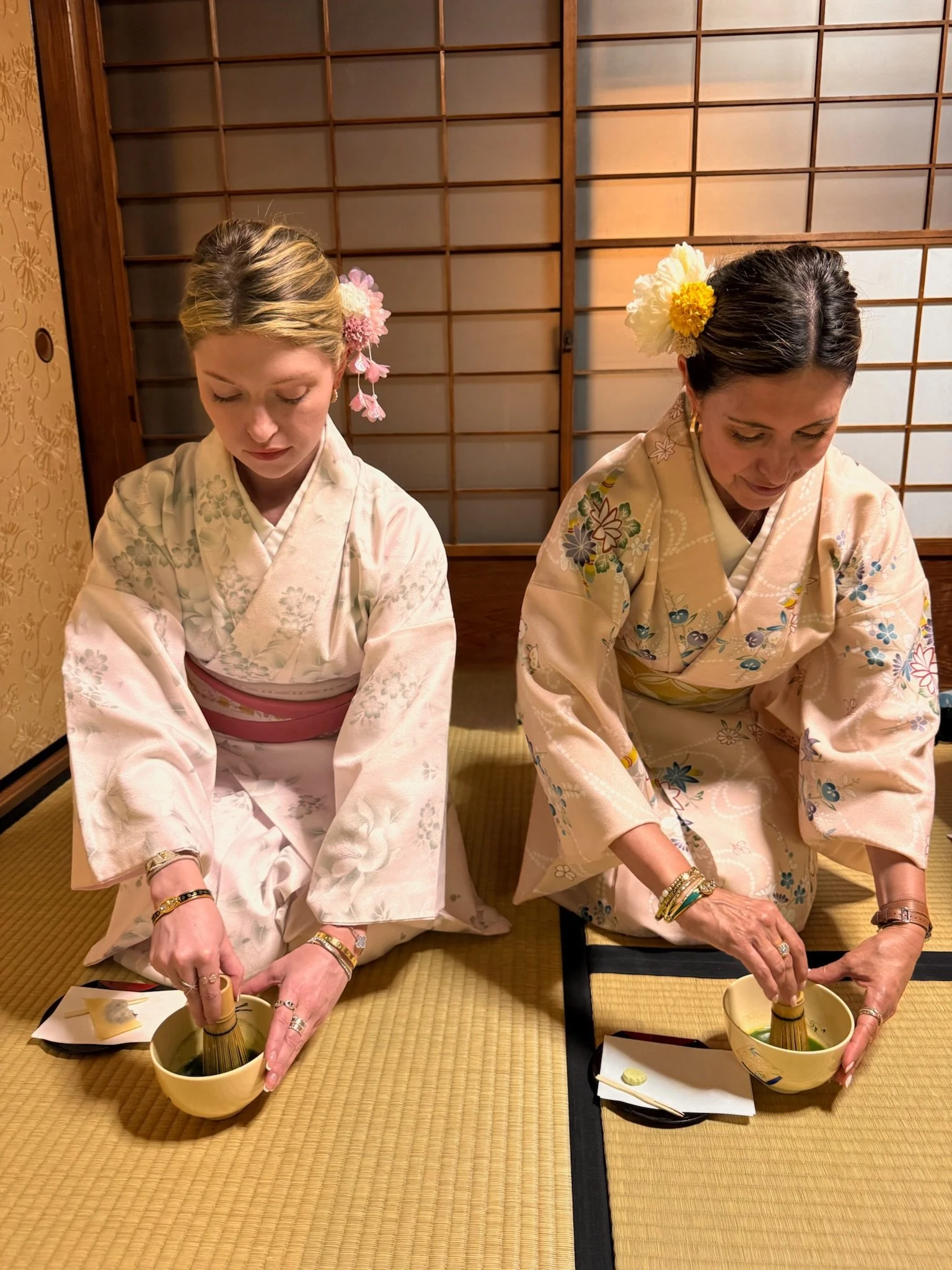
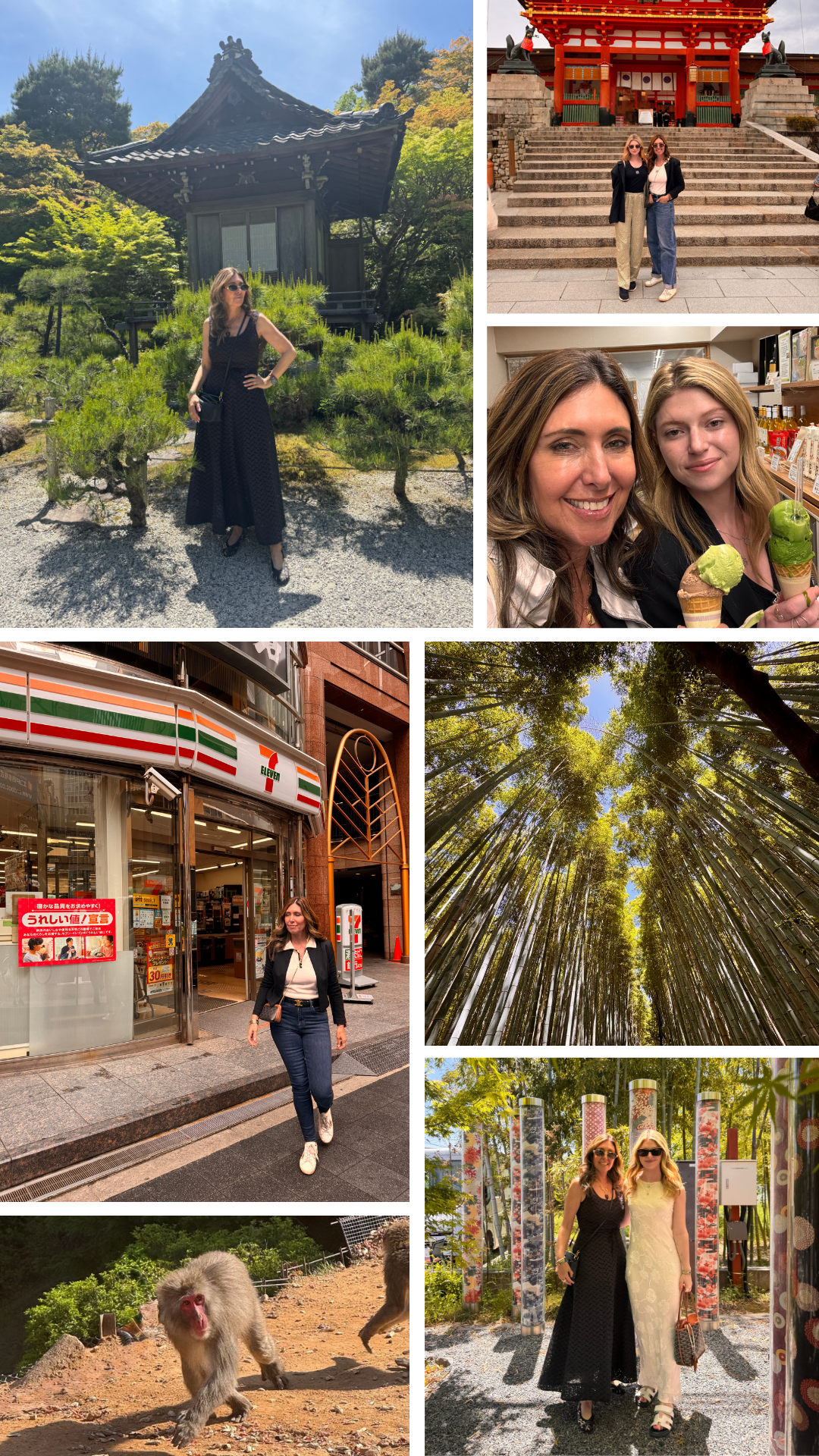
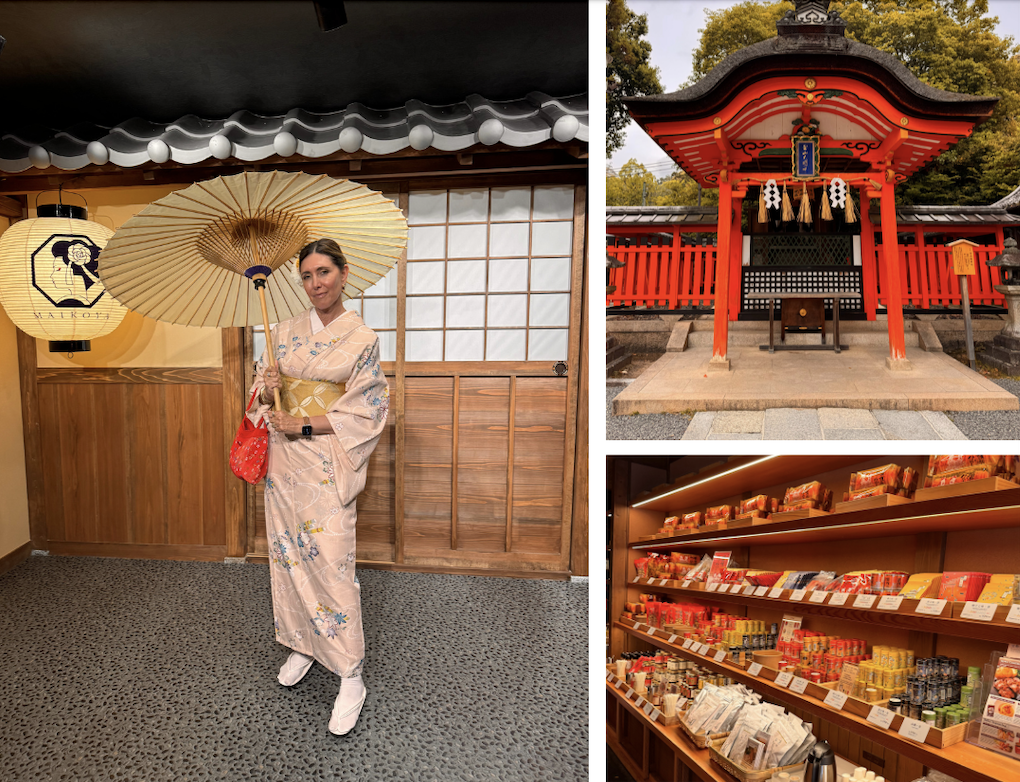
Kyoto is a city of contrasts—serene yet vibrant, deeply traditional yet full of surprises. We wandered through the Bamboo Forest in Arashiyama, including the monkey park, took in the beauty of Tenryu-ji Temple, and climbed the iconic path of torii gates at Fushimi Inari Shrine. One of our favorite moments was dressing in a kimono for a traditional tea ceremony at Maikoya—it was such a special and meaningful experience. We explored the historic charm of Gion, discovered the quiet magic of Kuramakibuecho, and snacked our way through Nishiki Market.
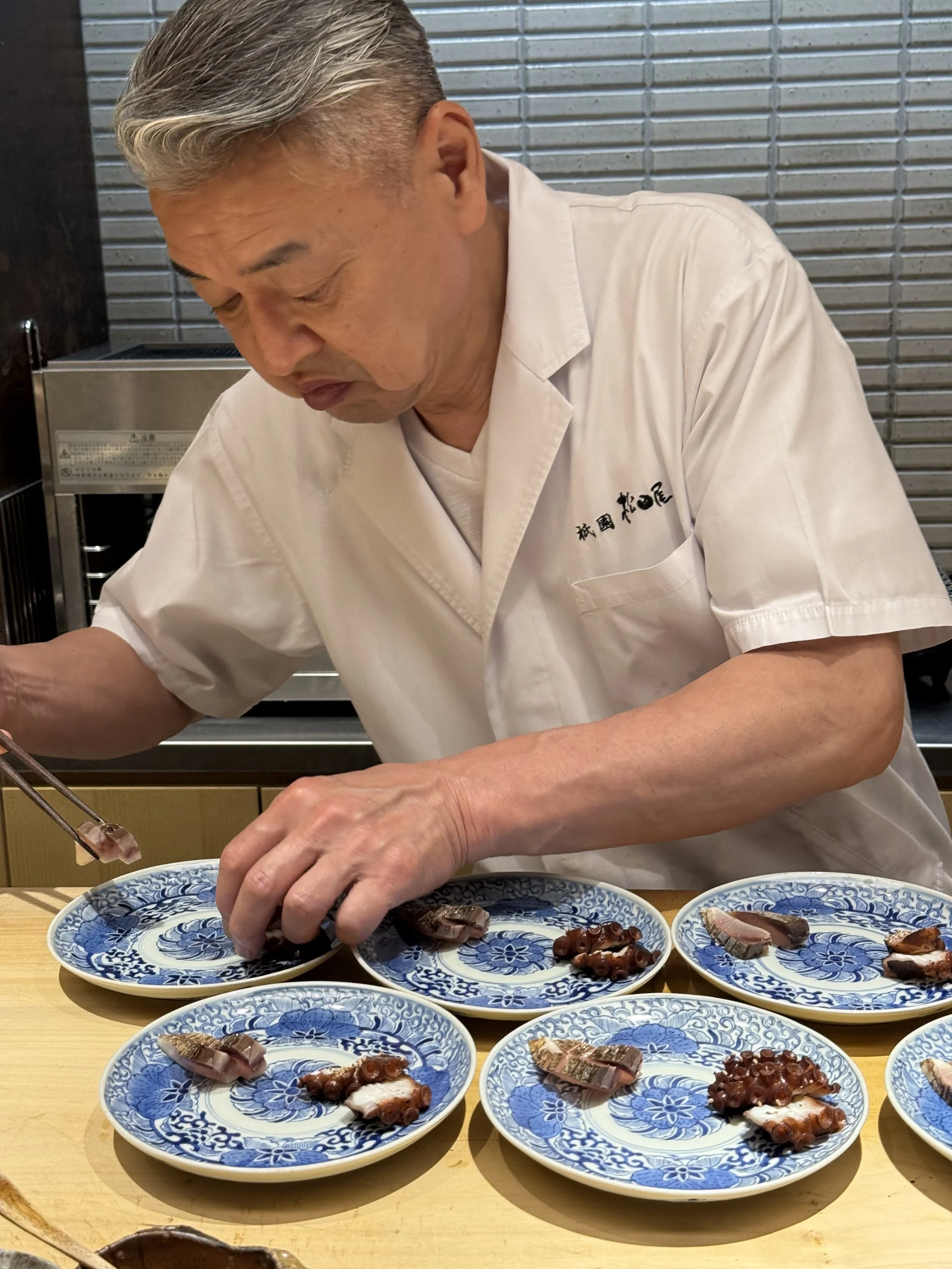
The food, of course, was a major highlight. Our meals included a mix of teppanyaki, ramen, wagyu, and some of the freshest sushi I’ve ever tasted. One of the most memorable meals was at Sushi Gion Matsudaya—an intimate, six-seat Michelin-starred sushi counter in the heart of Gion. We met some friends there who were also travelling at that time, and it was quite memorable because the grumpy chef kept us on our toes LOL. We also enjoyed the theatrical and smoky experience of Menbaka Fire Ramen, where the flaming bowl adds a fun and unforgettable twist to traditional ramen.
We made several stops at 7-Eleven during our stay—a total must in Japan. It’s nothing like the ones in the U.S. From fluffy egg sandwiches and perfectly seasoned onigiri to matcha mochi, seasonal lattes, and beautifully packaged skincare, the snacks alone are worth the visit. Japanese convenience stores are unexpectedly chic, super tasty, and a fun (and delicious!) glimpse into everyday culture.
One of the highlights for us included a visit to the Nishiki Market, where we got our customized chopsticks and also cuddled adorable micro pigs while sipping lattes at the Mipig Café. We also found time for vintage shopping—Kindal was our favorite for cool, one-of-a-kind pieces. We picked up some incredible designer finds there from Chanel, Hermes, and Issey Miyake.
We also spent a few days in Osaka, but I’d recommend it as a fun and easy day trip. Highlights included visiting Osaka Castle, the food market, and strolling through the peaceful Nishinomaru Garden. I highly recommend using a tour guide to organize the day!
Experiencing Kyoto is an active trip, so you need to plan and keep in mind that you’ll be on the go and doing quite a bit of walking. Keep scrolling for a curated look at our favorite moments, meals, shops, and sights—everything I’d recommend for a chic, culture-filled trip from our trip there.
xxMelissa
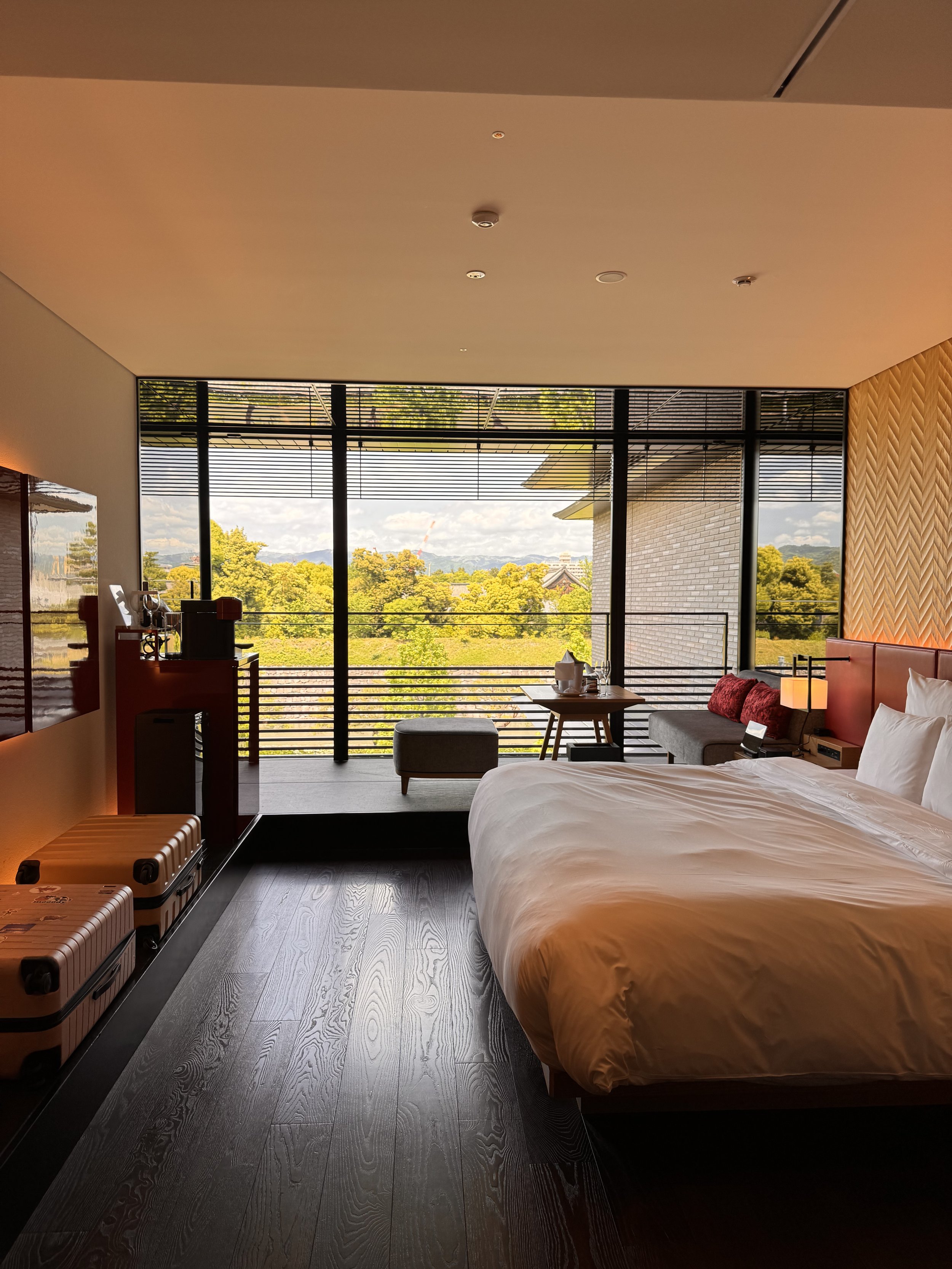
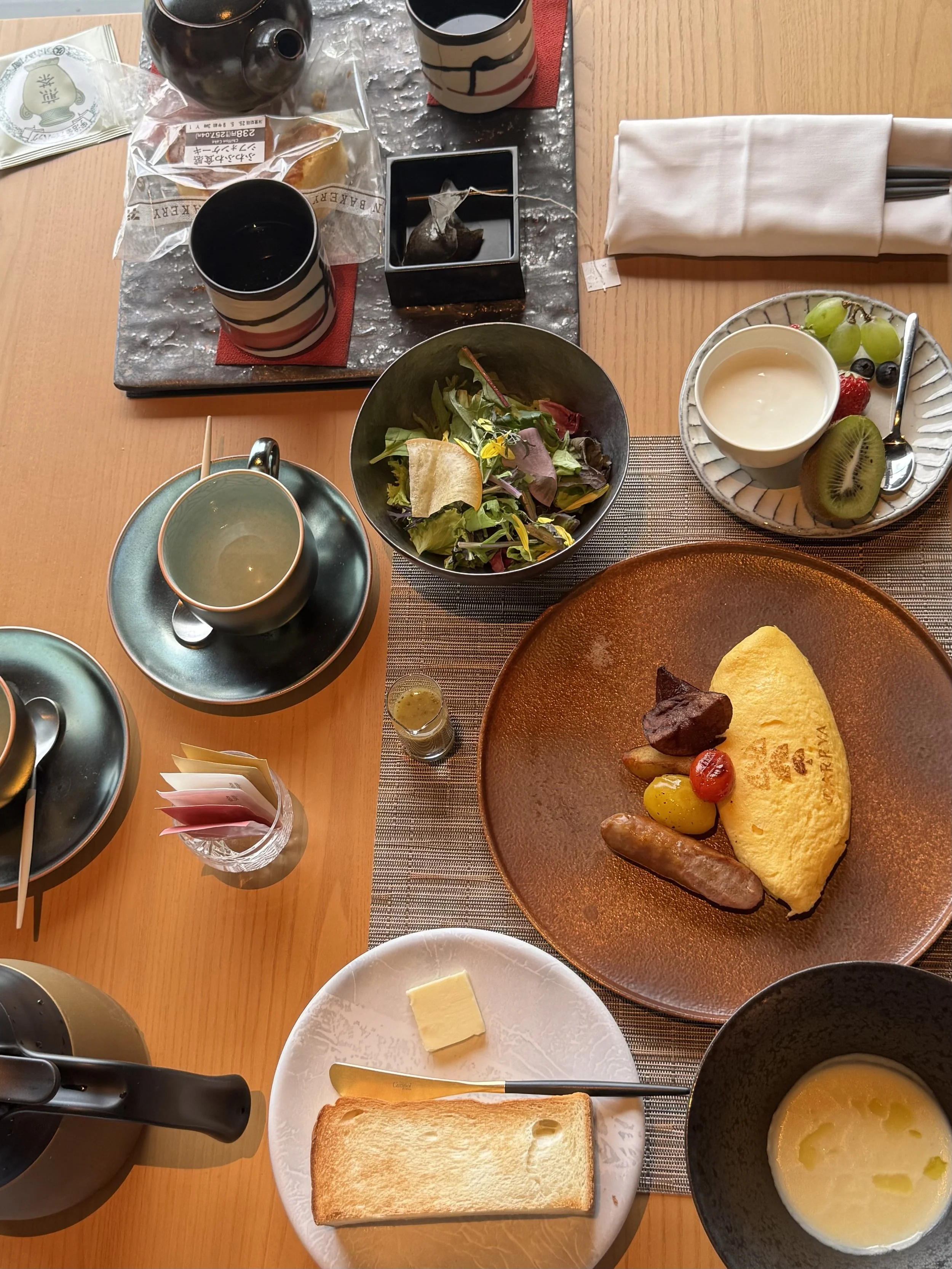
Our room and breakfast at the Garrya Nijo Castle
Where to Stay in Kyoto
Garrya Nijo Castle Kyoto – A peaceful, minimalist hideaway just steps from Nijo Castle. Rooted in Zen-inspired design, it offers a calm and well-connected base for exploring Kyoto’s heritage. Ideal for travelers who appreciate quiet elegance and simplicity.
Hotel Mitsui Kyoto – A luxurious Marriott Luxury Collection hotel providing a modern ryokan experience with luxurious touches, set opposite Nijo Castle. Featuring a beautiful garden, onsen baths, and refined design, it’s perfect for those wanting a blend of tradition and comfort.
Ritz-Carlton Kyoto – An ultra-luxurious riverside retreat with sweeping views and impeccable service. Its spacious rooms and Michelin-starred dining make it a top choice for travelers seeking elegance in the heart of Kyoto.
Hoshinoya Kyoto – A secluded stay in Arashiyama, accessible only by boat. This immersive, nature-rich ryokan offers a magical escape from the city—ideal for those craving serenity and tradition.
Hotel Kanra Kyoto – A stylish boutique hotel with modern Japanese design, near Kyoto Station. With tatami rooms, hinoki tubs, and thoughtful details, it’s a great choice for those who want local character with contemporary flair.
Aman Kyoto – An ultra-luxe sanctuary nestled in forested hills. With minimalist design, private onsen, and total tranquility, it’s perfect for travelers seeking peace, nature, and exclusivity.
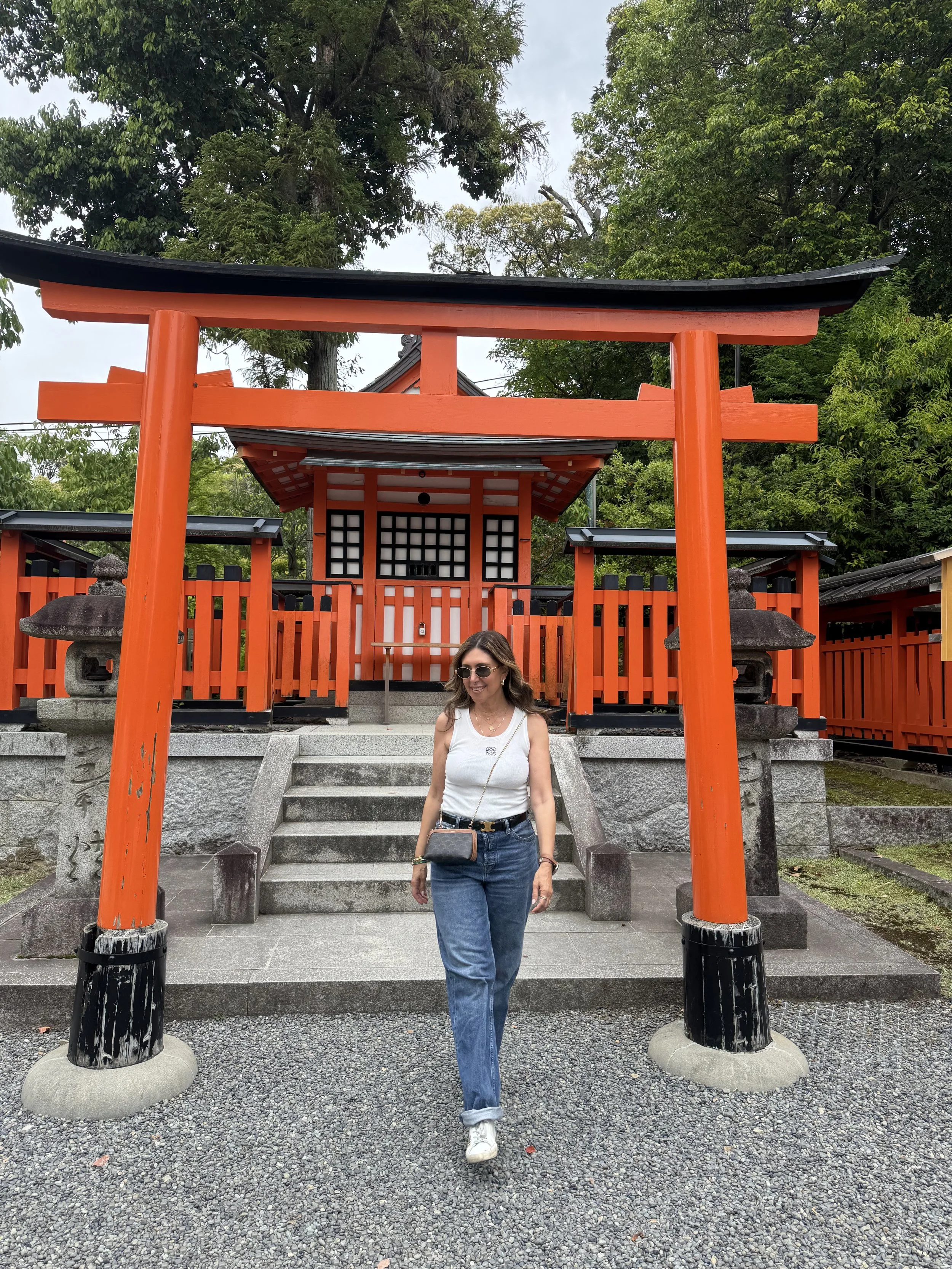
Fushimi Inari Shrine
Sites and Experiences
Temples and Shrines
Fushimi Inari Shrine – Kyoto’s most iconic shrine, known for its thousands of red torii gates winding up Mount Inari. Go early for a peaceful, almost mystical experience along the forested trails.
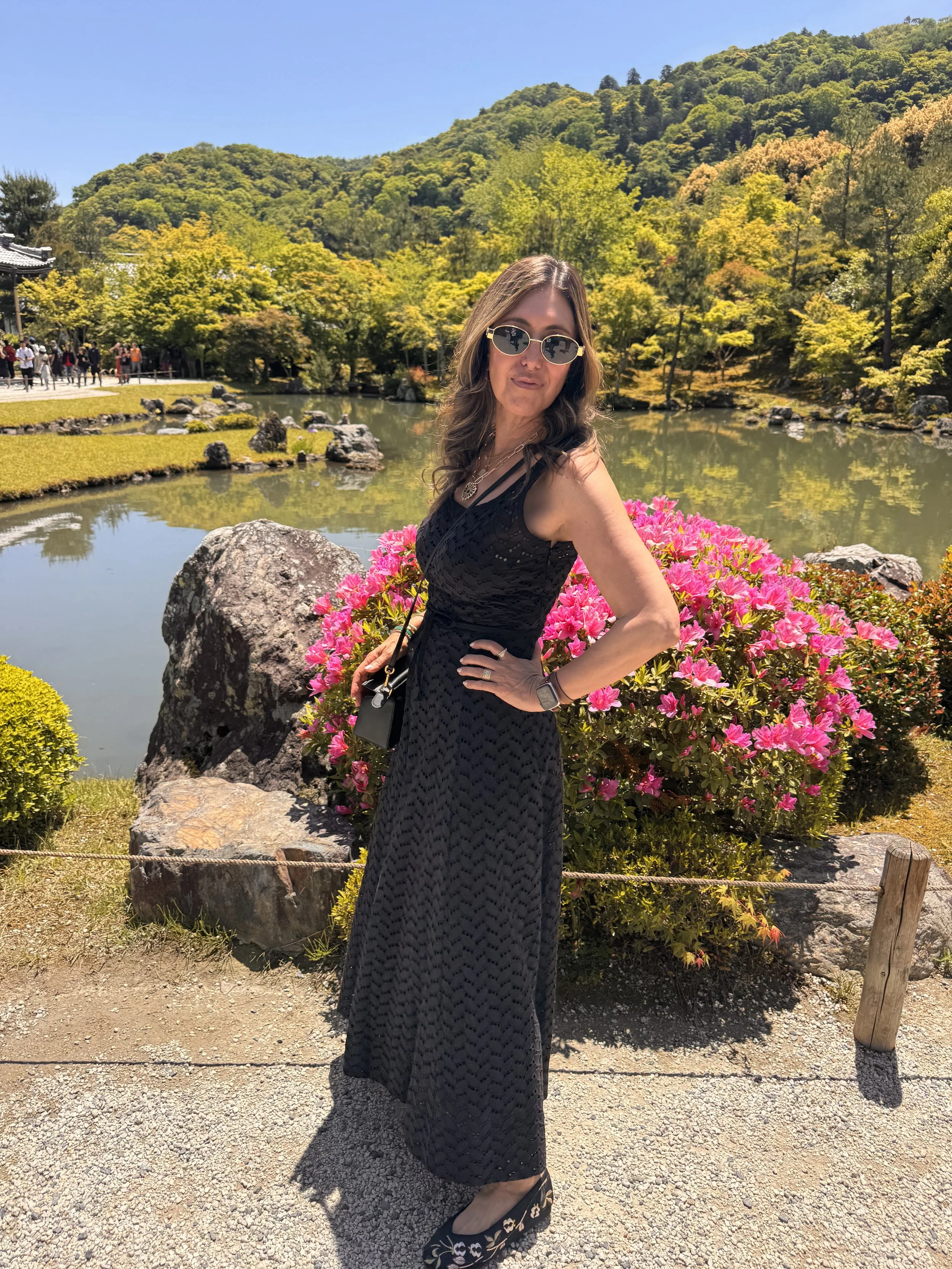
Tenryū-ji Temple – A top Zen temple and UNESCO site in Arashiyama, featuring a stunning 14th-century garden with koi ponds, rocks, and views of the mountains. Peaceful and perfectly located near the Bamboo Grove.
Kiyomizu-dera Temple – Perched on a hillside with sweeping city views, this dramatic wooden temple is a Kyoto must-see. Nearby, stroll Sannenzaka and Ninenzaka—charming lanes lined with teahouses and shops.
Nonomiya Shrine – A quiet, off-the-beaten-path shrine near the Bamboo Grove, known for its serene vibe and nearby matcha soft-serve stand—a sweet little stop while exploring Arashiyama.

Sipping matcha with adorable mini-pigs at the Mipig Cafe
Experiences
Arashiyama Day Tour with Japanify Tours (Ask for Max!) – An exceptional private tour featuring the Bamboo Forest, Kimono Forest, Tenryū-ji, Ōkōchi Sansō Garden, Togetsukyo Bridge, and a rewarding hike to the Monkey Park. Personalized and insightful.
Kimono Tea Ceremony at Maikoya– Dress in a traditional kimono and take part in a culturally immersive tea ceremony at a historic machiya studio. Highly recommended for authentic Kyoto vibes.
Mipig Café – Yes—it’s a real micro-pig café. Reserve in advance to cuddle adorable pigs while sipping matcha or coffee.
Arashiyama Bamboo Forest – Walk through soaring bamboo stalks in this surreal, serene grove. Best experienced early or late to avoid crowds and enjoy the light filtering through the green canopy.
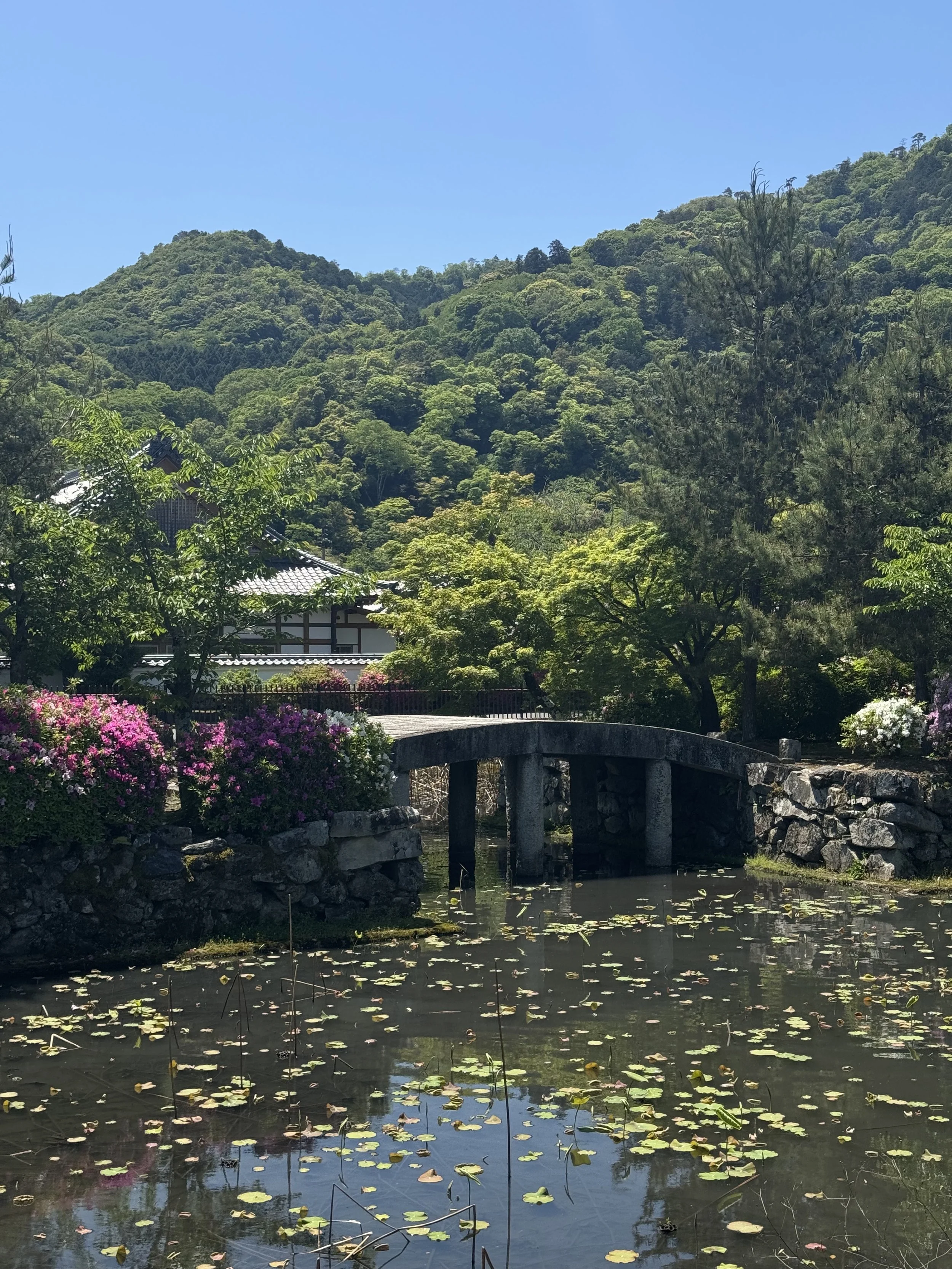
Ōkōchi Sansō Garden – A peaceful, lesser-known garden estate with winding paths, seasonal blooms, and panoramic views. Includes a tea and sweet with admission—great for a slow-paced stroll.
Arashiyama Monkey Park (Iwatayama) – Hike up the hill to hang out with wild macaques and enjoy sweeping views of Kyoto. It’s a short but steep walk—worth it for both the monkeys and the scenery.
Kuramakibuecho (Kurama area) – A peaceful mountain village with forest trails and a scenic route to Kurama-dera Temple. Great for nature lovers looking to escape the city and soak in Kyoto’s spiritual side.
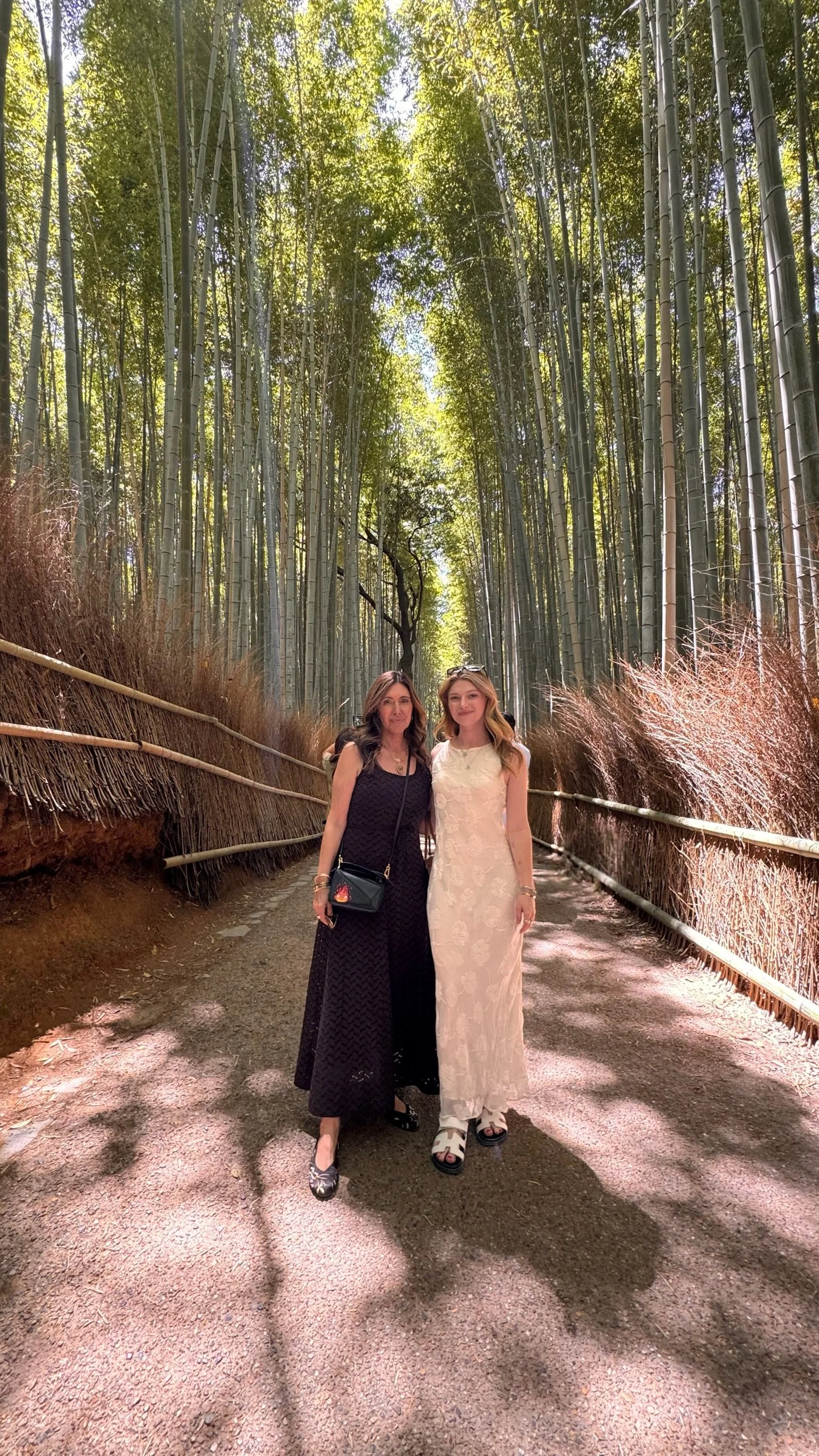
Walking through the Arashiyama Bamboo Forest
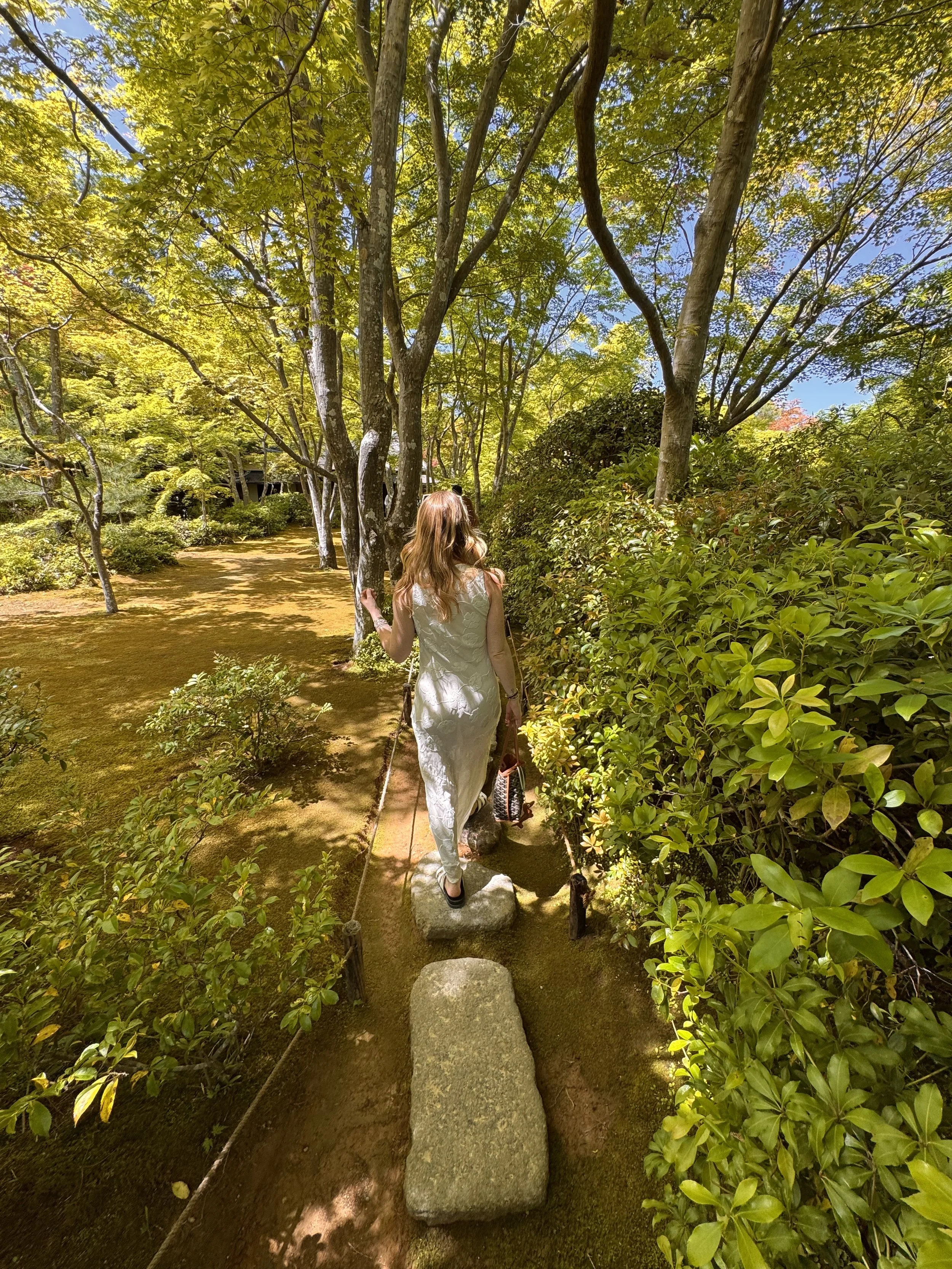
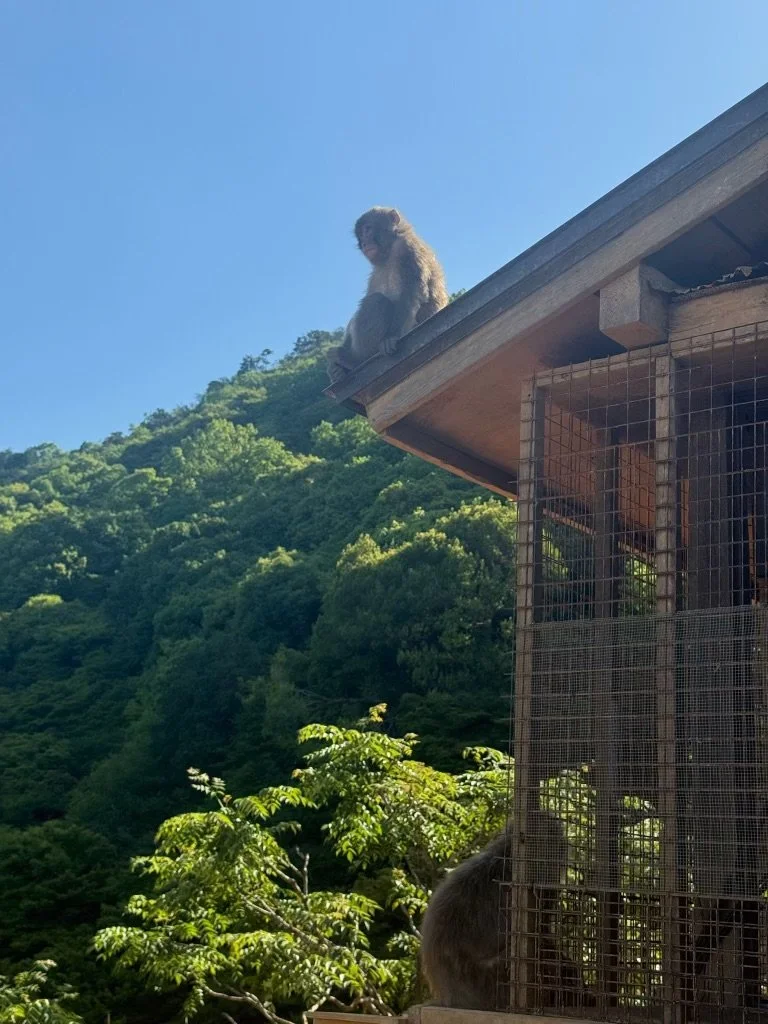
Arashiyama Monkey Park
Galleries & Historic Districts
Gion District – Kyoto’s most famous geisha district, lined with traditional wooden teahouses, lantern-lit alleyways, and hidden charm. Visit around dusk for a chance to spot a real maiko (apprentice geisha) on her way to an engagement.
Sannenzaka & Ninenzaka – Beautifully preserved stone-paved lanes near Kiyomizu-dera, filled with old-style shops, tea houses, and souvenirs. A scenic and atmospheric stroll through Kyoto’s historic heart.
Kyoto City KYOCERA Museum of Art – An elegant blend of traditional and contemporary architecture, this museum hosts rotating art and design exhibitions in a serene, beautifully designed space.
Shijo Kawaramach – The lively heart of modern Kyoto—perfect for shopping, dining, and riverside walks. A great place to experience the city's energy while staying close to its cultural roots.
Philosopher’s Path – A tranquil, tree-lined canal walk that’s especially beautiful in spring. Along the way, you’ll find small temples, hidden art galleries, and Monk—a cozy restaurant famed for its wood-fired pizzas and peaceful setting.
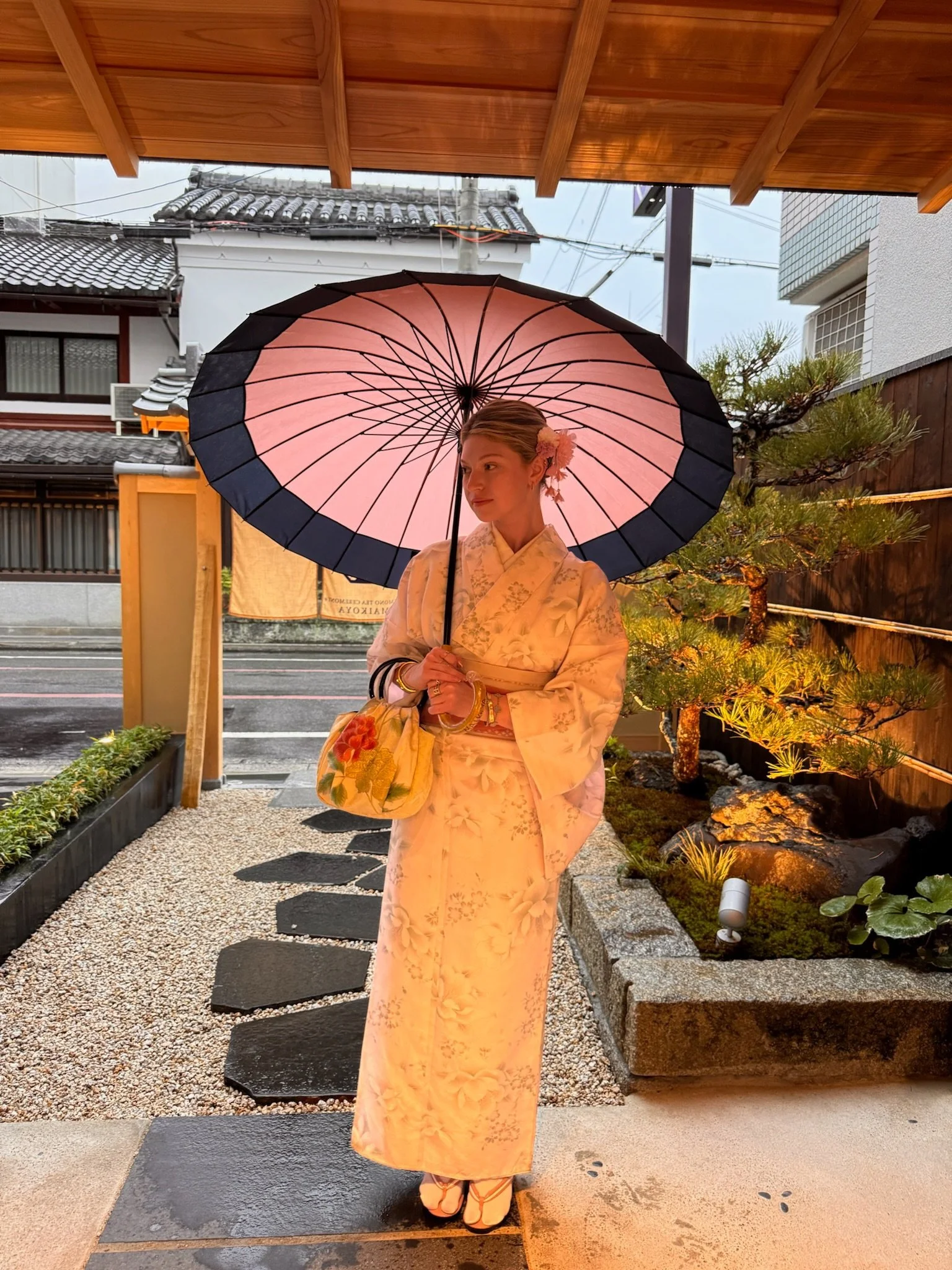
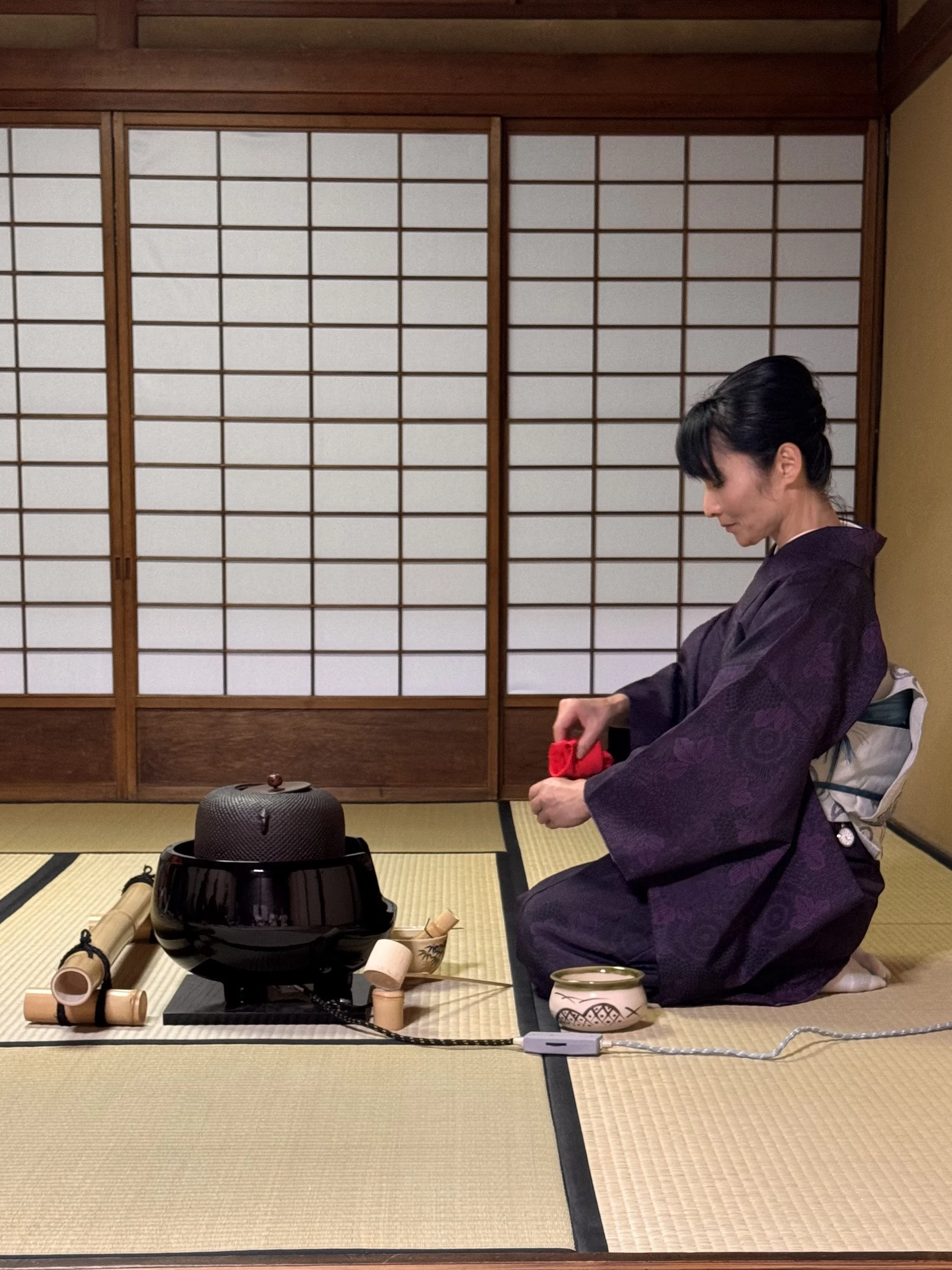
Taking part in an immersive Kimono Tea Ceremony at Maikoya
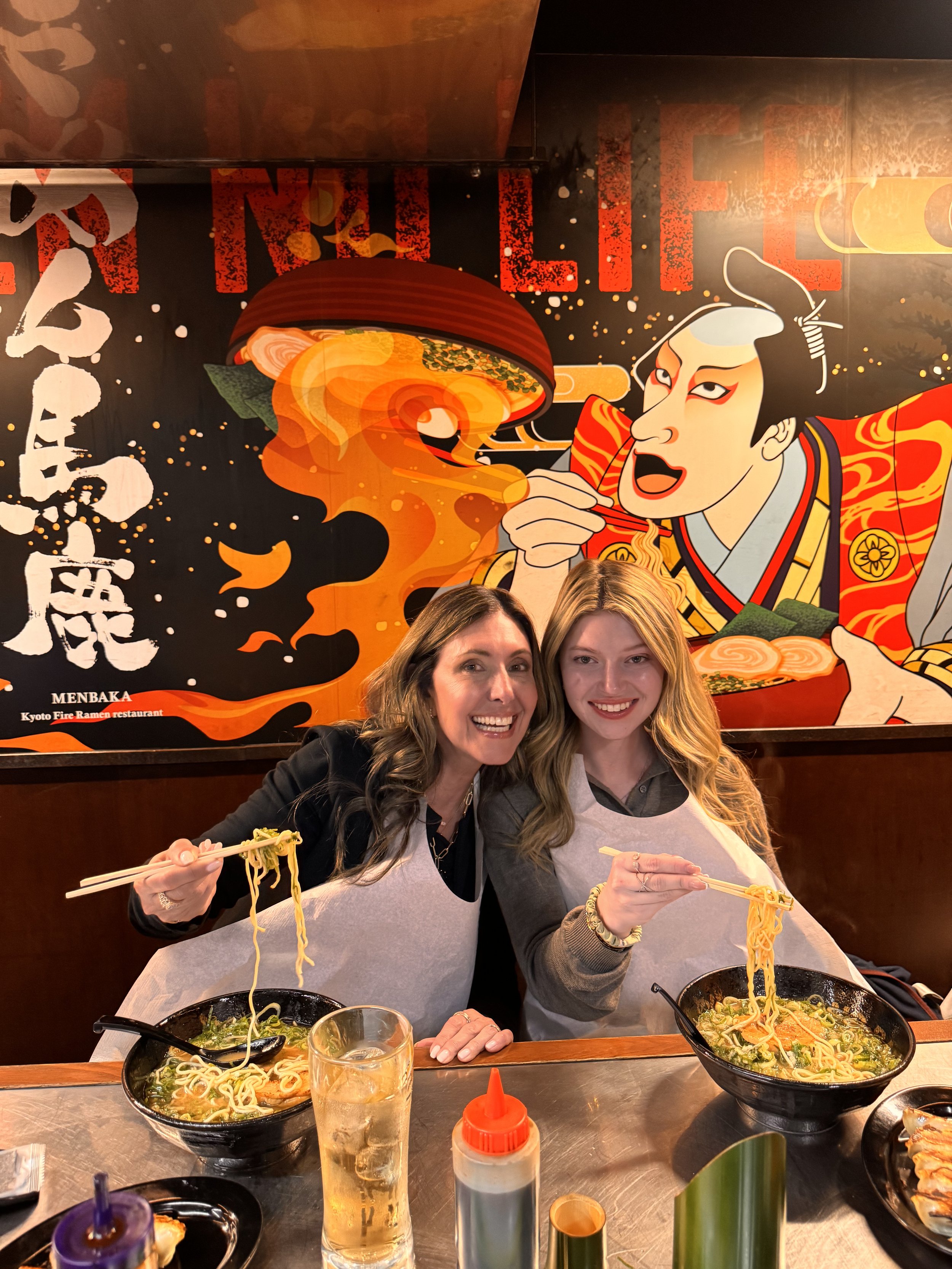
A delicious dinner at Menbaka Fire Ramen
Restaurants
Kikunoi (Gion) – A legendary 3 Michelin star kaiseki restaurant by Chef Yoshihiro Murata. Seasonal ingredients meet artistic plating in a serene, traditional setting—Kyoto dining at its most refined.
Hyotei (Nanzen-ji) – A historic 3 Michelin star restaurant with 400+ years of legacy. Known for its minimalist presentation and seasonal flavors served in a peaceful garden retreat.
Sushi Gion Matsudaya (Gion) – A 1 Michelin star edomae sushi experience with just six seats. Chef Matsudaya serves flawless, seasonal nigiri with intimate, precise attention.
Hafuu (Central Kyoto) – Refined yet approachable wagyu steakhouse. Not Michelin-starred, but highly regarded for its premium beef and warm, understated ambiance.
Monk (Philosopher’s Path) – Rustic, seasonal cooking with wood-fired flair. Monk isn’t starred, but widely celebrated for its soulfulness, creative simplicity, and the best pizza in Kyoto.
Decouvert (Nishiki Market) – French–Japanese fusion from a gourmet stall in Kyoto’s iconic market. Elevated flavors in an unpretentious setting.
Sodoh Higashiyama Kyoto Bar (Higashiyama) – Not Michelin-starred, but a destination in itself. Housed in a painter’s former villa, this romantic spot blends Italian cuisine, Kyoto views, and elegant cocktails.
Kyoto Kawaramachi Garden (Downtown) – A modern shopping and dining complex with stylish food options above Kawaramachi Station—ideal for casual dining with flair.
Menbaka Fire Ramen (near Nijo Castle) – An unforgettable ramen experience where flaming leek oil is ignited atop your bowl. Wild, theatrical, and surprisingly delicious.
Desserts & Treats
Nanaya Kyoto Sanjo – Famous for its matcha gelato with seven levels of intensity, made from premium single-origin Shizuoka matcha. A bold, creamy experience for tea lovers.
A Happy Pancake (Central Kyoto) – Whipped to perfection, these soufflé-style pancakes use Hokkaido butter and manuka honey. Soft, airy, and delicately sweet.
Rakugan Hashioki (UCHU Wagashi) – Exquisite, souvenir-ready sugar sweets crafted from wasanbon and shaped like seasonal Kyoto icons. A sweet that doubles as an art piece.
7-Eleven (Various Locations all over Japan) – More than a convenience store, it’s a treasure trove of Japanese treats—from perfectly soft mochi and rich matcha parfaits to limited-edition Kit Kats and fluffy tamago sando (egg sandwiches).
Cafés & Bars
(THISIS) NATURE (Shinpuhkan) – A beautifully curated café-concept store with plant-based dishes, artisan tea, and natural lifestyle goods—all inspired by nature and calm.
Walden Woods Kyoto (Central Kyoto) – A strikingly minimalist, all-white café serving matcha, coffee, and clean design aesthetics. A hidden gem for creatives and quiet souls.
Bees Knees (Pontocho) – A secretive, speakeasy-style cocktail bar behind a bookshelf. Intimate lighting, inventive honey-based drinks, and a hip, unpretentious crowd.
Sodoh Higashiyama Kyoto Bar (also listed under Dining) – Doubles as a bar with Kyoto-view terraces, historic architecture, and beautifully balanced cocktails—perfect after sunset.
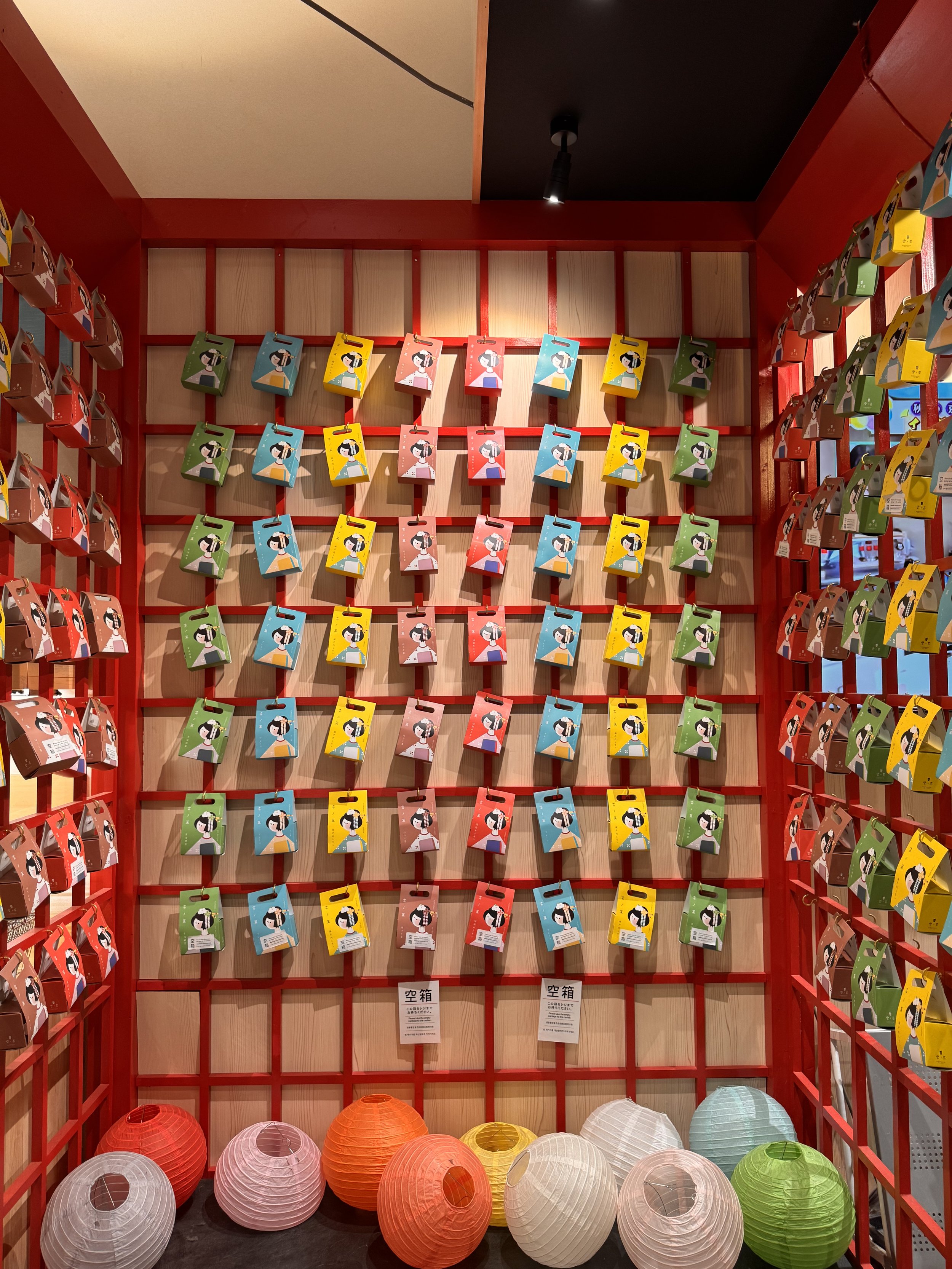
One of the shops at the famous Nishiki Market!
Shops & Boutiques
Nishiki Market – Kyoto’s lively and historic food market, known as “Kyoto’s kitchen.” A must-visit for local bites, traditional flavors, and unique shopping. Highlights include:
Hashi‑Kobo – Custom-engraved chopsticks in various woods and styles—practical, elegant, and gift-worthy.
Ochanoko Saisai – Spice lovers, don’t miss their famous “Maiko Han Hee Hee” chili‑shichimi and innovative furikake blends.
Ragtag (Nishiki Market) – A curated vintage fashion boutique offering streetwear and accessories in a lively market atmosphere.
Kindal – Vintage fashion haven featuring designer and high-street labels at budget-friendly prices.
Brand Off – Specialist in secondhand luxury goods—watches, bags, and rare Japanese guitars.
Konnyaku Shabon (Nishiki Market) – Additive-free, eco-friendly soaps made from konjac starch—fun to touch and gentle on skin.
Teramachi & Shin-Kyogoku Arcades – Bustling covered shopping streets filled with vintage stores, quirky cafés, arcades, and independent boutiques. A great place to wander, snack, and score unique finds.
Takashimaya Kyoto (T8 Wing) – A landmark department store at Shijo-Kawaramachi blending luxury brands, everyday fashion, and gourmet eats. Don’t miss the newer T8 wing for pop-culture finds.
Kurochiku – Kyoto-based shop specializing in traditional crafts, tenugui hand towels, furoshiki wrapping cloths, and elegant wood-based goods—all in a stylish machiya setting.
UCHU Wagashi – A specialty wagashi shop crafting delicate rakugan sweets from premium wasanbon sugar, shaped into Kyoto-themed icons—perfect for gifts or as edible art.
D&Department Kyoto – Curated lifestyle store highlighting timeless Japanese design, craftsmanship, and thoughtful souvenirs—from ceramics to stationary and homeware.
Studio Ghibli Shop (near Kiyomizu-dera) – A whimsical stop for Ghibli fans, offering official plushies, notebooks, and themed treasures inspired by Totoro, Spirited Away, and more.
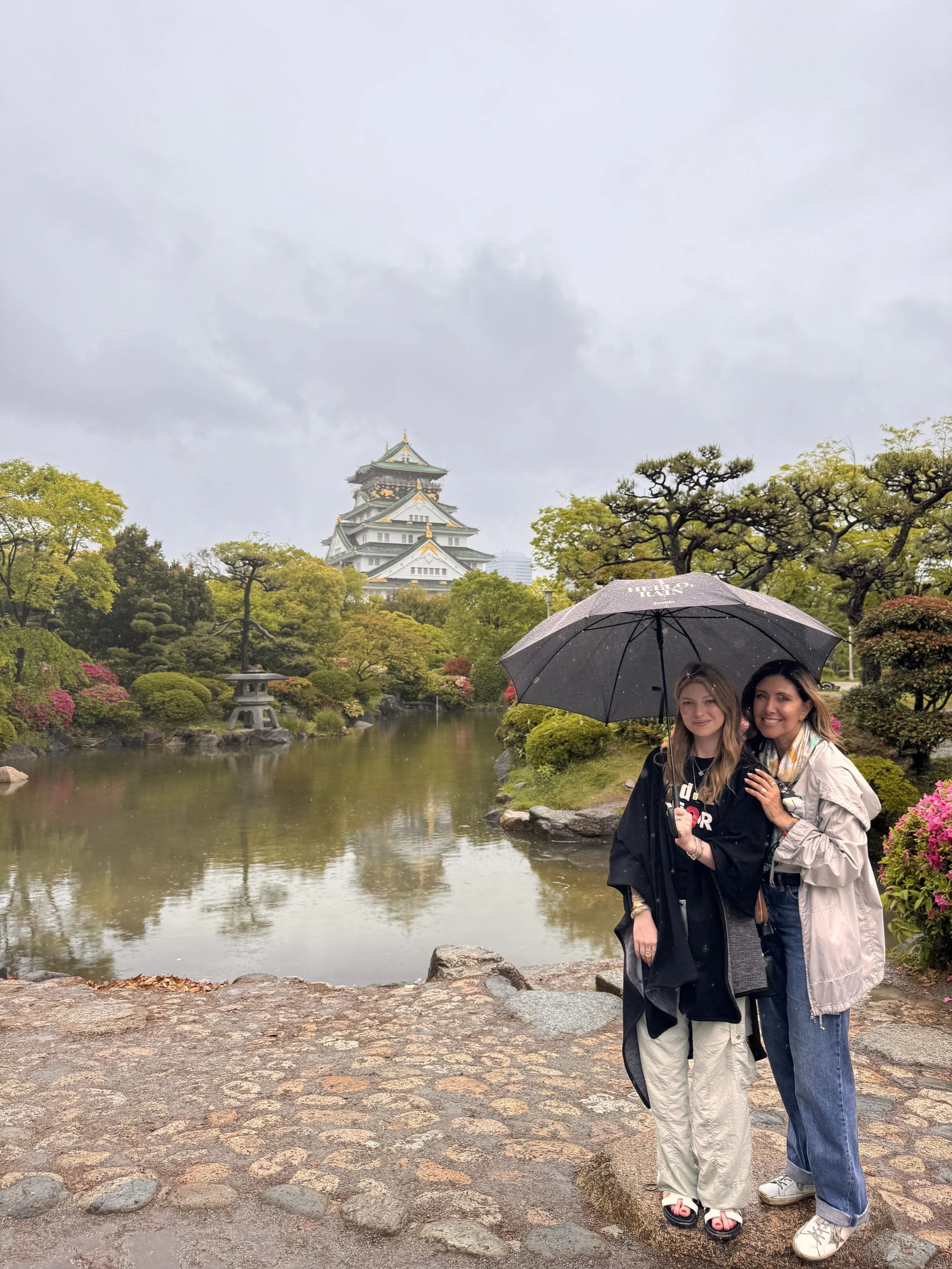
Visiting the magical Osaka Castle
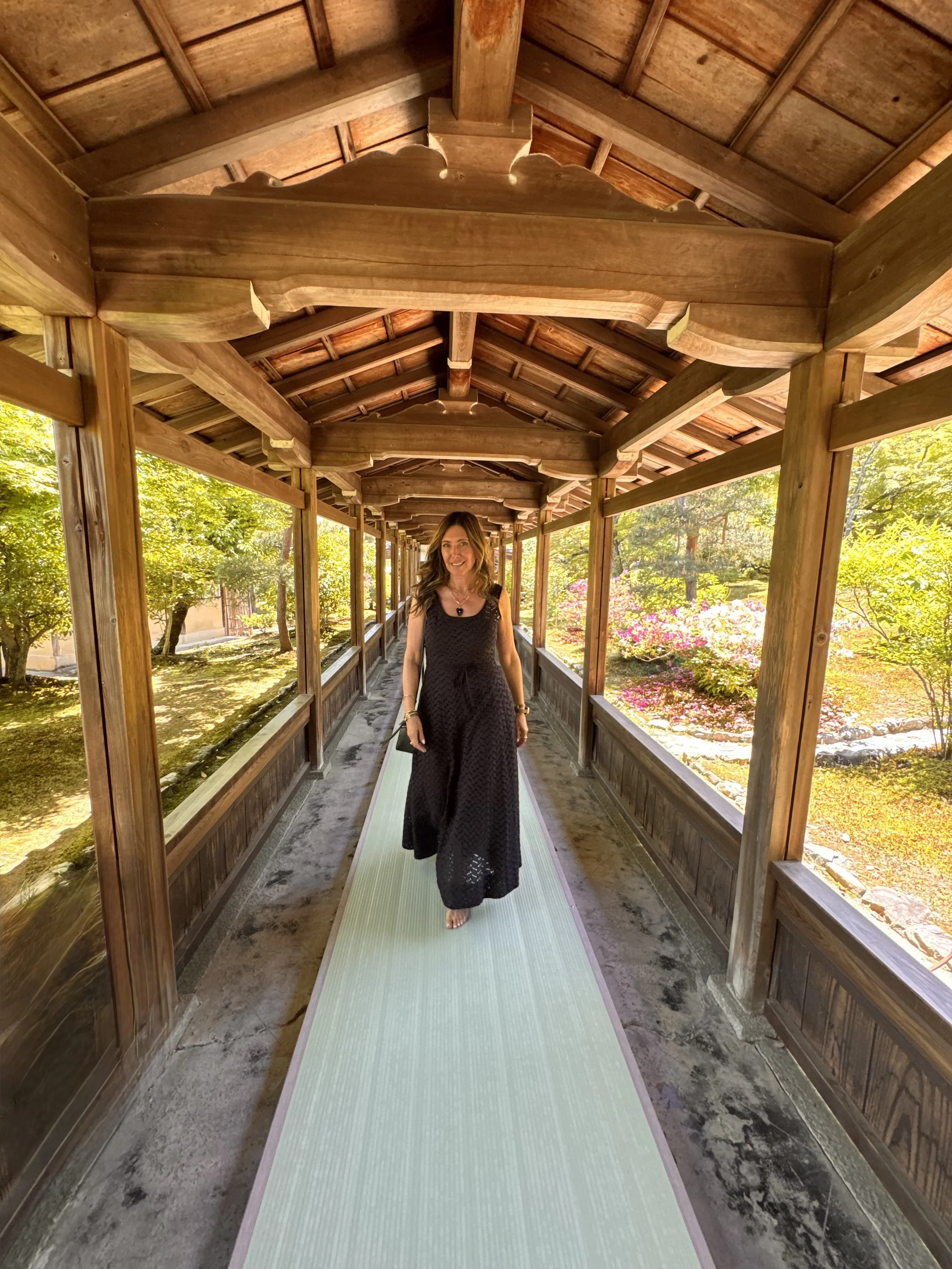
Shop my Kyoto looks below!
If you liked this article, check out Traveling the Côte d’Azur: Cannes and Cap Ferrat and Weekend Getaway to Vegas: Getting There, The Sphere, Food, and Luxe Shopping!
